


What is BPD?
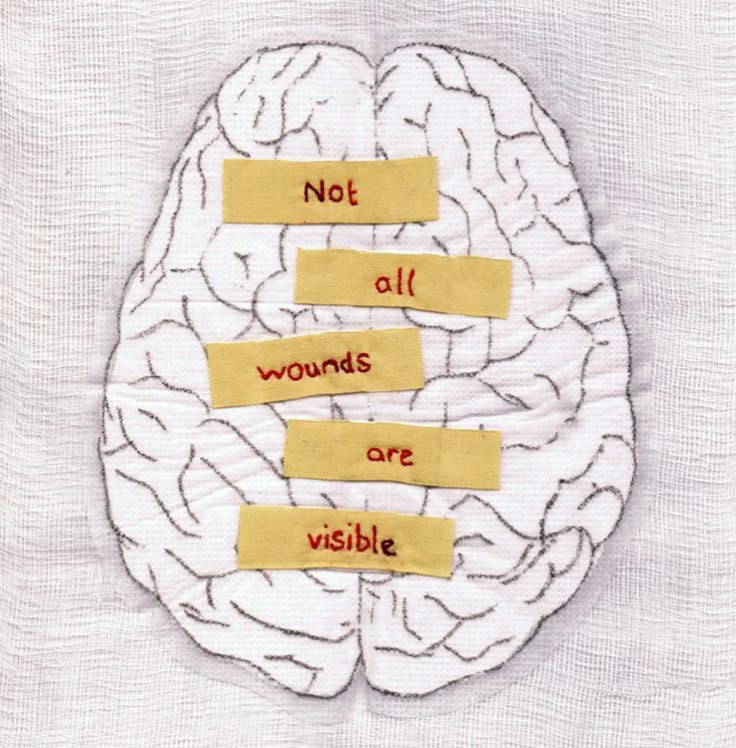
Boderline Personality Disorder is a mental illness characterized by extreme moods swings as the person’s ability to regulate emotions is severely impacted. People with BPD often struggle with stability in interpersonal relationships and typically have an intense fear of abandonment. Boderline Personality Disorder also causes a fragmentation of self image which can dramatically change with the mood swings. The loss of emotional regulation also increases impusivity leading to dangerous behaviors, According to the Clevland Clinic, approximately 1.4% of the adult population in the US has BPD. Researchers believe causes can range from genetics, brain changes, or childhood abuse and trauma. BPD specialist Marsha Linehan describes the disorder as “third degree burns over 90% of their bodies. Lacking emotional skin, they feel agony at the slighest touch or movment.” Individuals suffering with BPD are among the highest risk for suicide with 10% of people with BPD committing sucidide and 75% self harming.

Signs & Symptoms
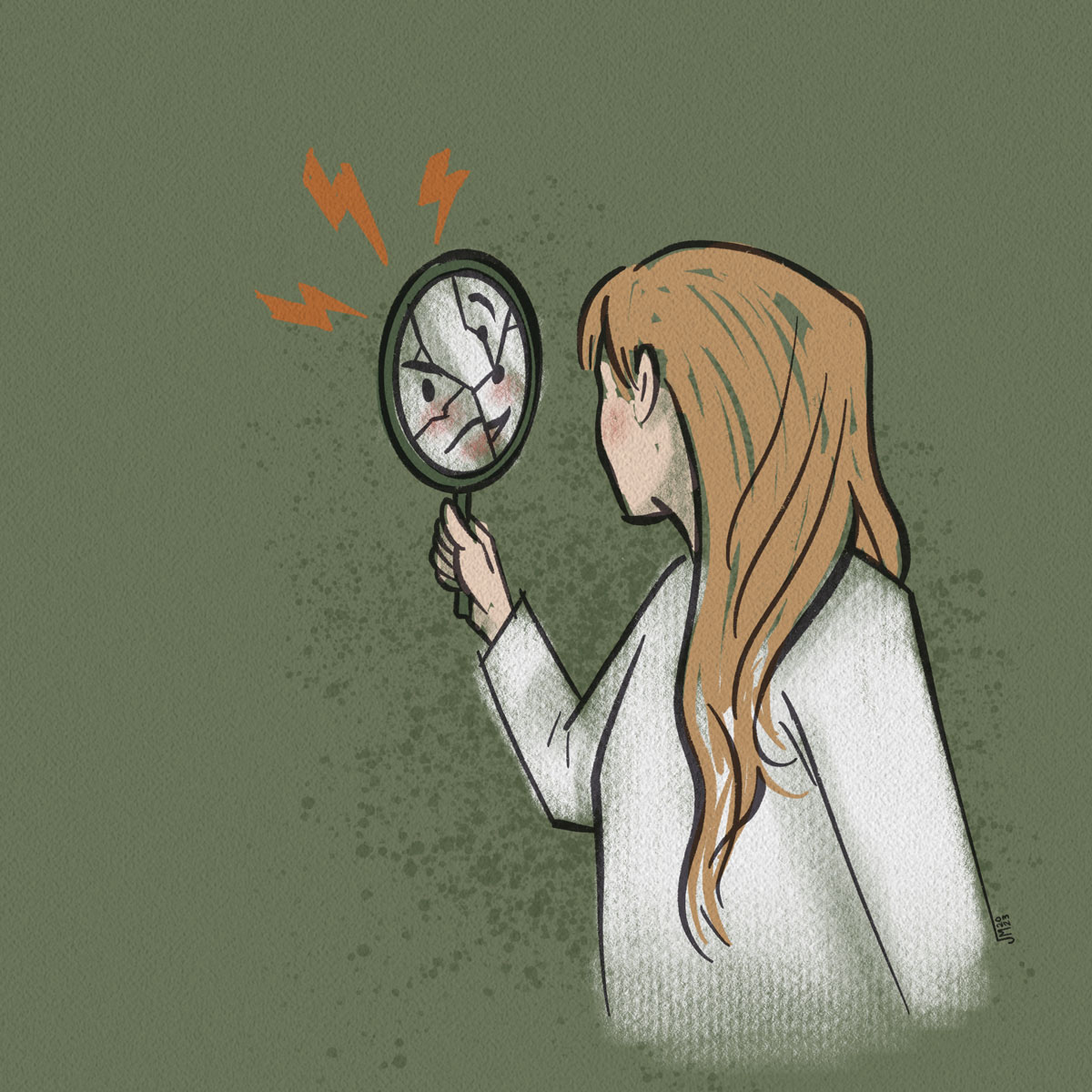
Borderline Personality Disorder (BPD) affects how people feel about themselves and others, often leading to intense emotions and unstable relationships. Individuals with BPD experience a pervasive pattern of emotional and interpersonal instability. This emotional dysregulation manifests as intense, rapidly fluctuating moods that can range from profound sadness to anger or anxiety, shifting within hours and typically emerging in response to perceived interpersonal threats. These emotional spikes often are accompanyied by chronic feelings of emptiness with a strong sense of bleakness or disconnection. One main component of BPD is a pathological fear of abandonment where individuals may go to extreme lengths to avoid real or imagined rejection, sometimes even sabotaging relationships. Such anxieties contribute to the term “splitting”, meaning a black-and-white evaluation pattern, alternating between idealization and devaluation of others.
Impulsive and self-destructive behaviors are also prevalent in those suffering with BPD. Over 60% of individuals with BPD engage in high-risk actions, such as risky sex, substance misuse, binge eating, or reckless driving, as maladaptive coping strategies. Self-harm, such as cutting or burning, as well as suicidal ideation or attempts, can occur in up to 70% of cases . Identity disturbances, or frequent shifts in self-image, values, and goals, also compounds these difficulties, leaving people feeling adrift in their sense of self. Brief dissociative episodes or transient paranoia may also emerge, especially if under stress. Clinicians typically rely on DSM‑5 criteria, which requires five or more of these symptoms across affective, interpersonal, impulsivity, and cognitive domains for diagnosis. The nine criteria listed in the DSM-5 are as follows:
- Desperate efforts to avoid real or imagined abandonment.
- A pattern of unstable relationships switching between extremes of admiration and hatred.
- Unstable self-image.
- Impulsivity in at least two areas that are potentially self-damaging (such as spending, sex, substance abuse, reckless driving or binge-eating).
- Repeated suicidal behavior and threats or self-harm.
- Erratic mood swings.
- Chronic feelings of emptiness.
- Intense anger or difficulty controlling anger.
- Temporary, stress-related paranoid ideation or dissociative symptoms.
The Kingsley Clinic The Cleveland Clinic NAMI The Mayo Clinic
Therapies & Treatment
Effective treatment for Borderline Personality Disorder primarily centers on psychotherapy, with Dialectical Behavior Therapy (DBT) being the most widely well-known, researched, and validated approach. DBT combines cognitive-behavioral techniques with mindfulness principles that helps individuals manage emotional dysregulation, tolerate distress, and build healthier interpersonal relationships. Other evidence-based therapies include Mentalization-Based Therapy (MBT), which focuses on improving one’s ability to understand the thoughts and feelings of oneself and others, and Transference-Focused Psychotherapy (TFP), which addresses emotional conflicts rooted in early attachment experiences. While there is no medication specifically approved for BPD, psychiatric drugs, such as mood stabilizers, antidepressants, or antipsychotics, may be prescribed to treat co-occurring symptoms like anxiety, depression, or impulsivity. Treatment is often long-term and requires a strong therapeutic alliance and structured support systems, such as group therapy, case management, and crisis planning.
The Role of Art Therapy in BPD Treatment:
Art therapy has emerged as a valuable new treatment and therapy for individuals with BPD, especially those who struggle to express their emotions verbally. Through drawing, painting, or sculpting, individuals can externalize inner turmoil in a non-threatening, creative, personal and private space. This modality supports emotional regulation by providing a safe outlet for intense feelings and reducing dissociative symptoms. Research suggests that art therapy can help patients with BPD gain insight into their emotional experiences, enhance self-awareness, and develop a more stable sense of identity. Sessions guided by trained art therapists are also able to strengthen mindfulness and improve distress tolerance, two core components of DBT. While it is not a stand alone treatment, integrating art therapy into a comprehensive therapeutic plan can benefit traditional psychotherapeutic outcomes and promote healing through creative self expression.
Differences from Bipolar
While Borderline Personality Disorder and Bipolar Disorder are often confused due to overlapping symptoms like mood instability and impulsive behaviors, they are distinct diagnoses with different underlying mechanisms and distinctions. The core feature of BPD is emotional dysregulation that is rapid, reactive, and closely tied to interpersonal stressors, such as fear of abandonment or rejection. Individuals with BPD often experience mood shifts that last hours to a day and are typically triggered by external events. In contrast, Bipolar Disorder is primarily characterized by distinct mood episodes, mania, hypomania, and depression, that last for days or weeks and have a more cyclical nature. These episodes occur independently of situational triggers and often involve changes in sleep, energy, activity, and self-esteem. For example, someone with Bipolar I Disorder may have a week-long manic episode involving decreased need for sleep, grandiosity, and impulsive decision-making, followed by a depressive episode crash. These patterns are less reactive and more biologically driven than those seen in people with BPD.
Diagnostic and Treatment Distinctions
Another key distinction lies in identity and relational patterns. Individuals with BPD typically have a fragile or unstable sense of self, chronic feelings of emptiness, and a tendency to see others in extremes, which are features that are not diagnostic of Bipolar Disorder. Additionally, BPD often involves chronic interpersonal turmoil, self-harming behaviors, and a persistent fear of abandonment. Diagnostically, BPD is a personality disorder rooted in early relational patterns and emotional development, while Bipolar Disorder is a mood disorder linked to neurochemical imbalances, which are often treated with mood stabilizers or antipsychotics. While both may benefit from psychotherapy, BPD is best addressed with DBT, whereas Bipolar Disorder typically requires pharmacological management in combination with CBT. Misdiagnosis is common, and accurate assessment by a mental health professional using structured interviews and longitudinal symptom tracking is essential for effective treatment planning. For more information, the National Institute of Mental Health (NIMH) and DBSA offer detailed comparisons and resources.
Resources & Support
National Institute of Mental Health (NIMH)
https://www.nimh.nih.gov
Provides up-to-date clinical information on BPD, symptoms, causes, and treatment options.
Mayo Clinic BPD Overview
https://www.mayoclinic.org
Offers patient-friendly descriptions, diagnosis information, and therapy types.
988 Suicide & Crisis Lifeline – Call or text 988
Crisis Text Line: Text HOME to 741741
NEABPD Family Connections Program
https://www.borderlinepersonalitydisorder.org
Free, evidence-based education and skills training for people who have a loved one with BPD.
NAMI (National Alliance on Mental Illness)
https://www.nami.org
Offers family support groups and educational programs. Use their locator for local help.

you are not alone.

 Understanding Borderline Personality Disorder